
Betting News
Not All Betting Markets Are Priced the Same: Here's Why That Matters
A bettor watches the NFL on a Sunday and decides to place two bets. The first one is for the Chiefs to win at -165 and the other on a same-game parlay (Mahomes 2+ TDs, Kelce 80+ yards, Chiefs -3.5). Both bets are on the same game and cost $50 each.

SportsBoom offers honest and impartial bookmaker reviews to help you make informed choices. While we may earn commissions through affiliate links, our content remains independent and free from promotional influence. For more information, see our Content Transparency and How We Review pages.

Why Some Markets Offer Better Value Than Others
But sportsbooks offer very different prices. The house has different margins on each market. That pricing gap has a direct effect on the value the bettor is actually getting and it’s more important than most people realize.
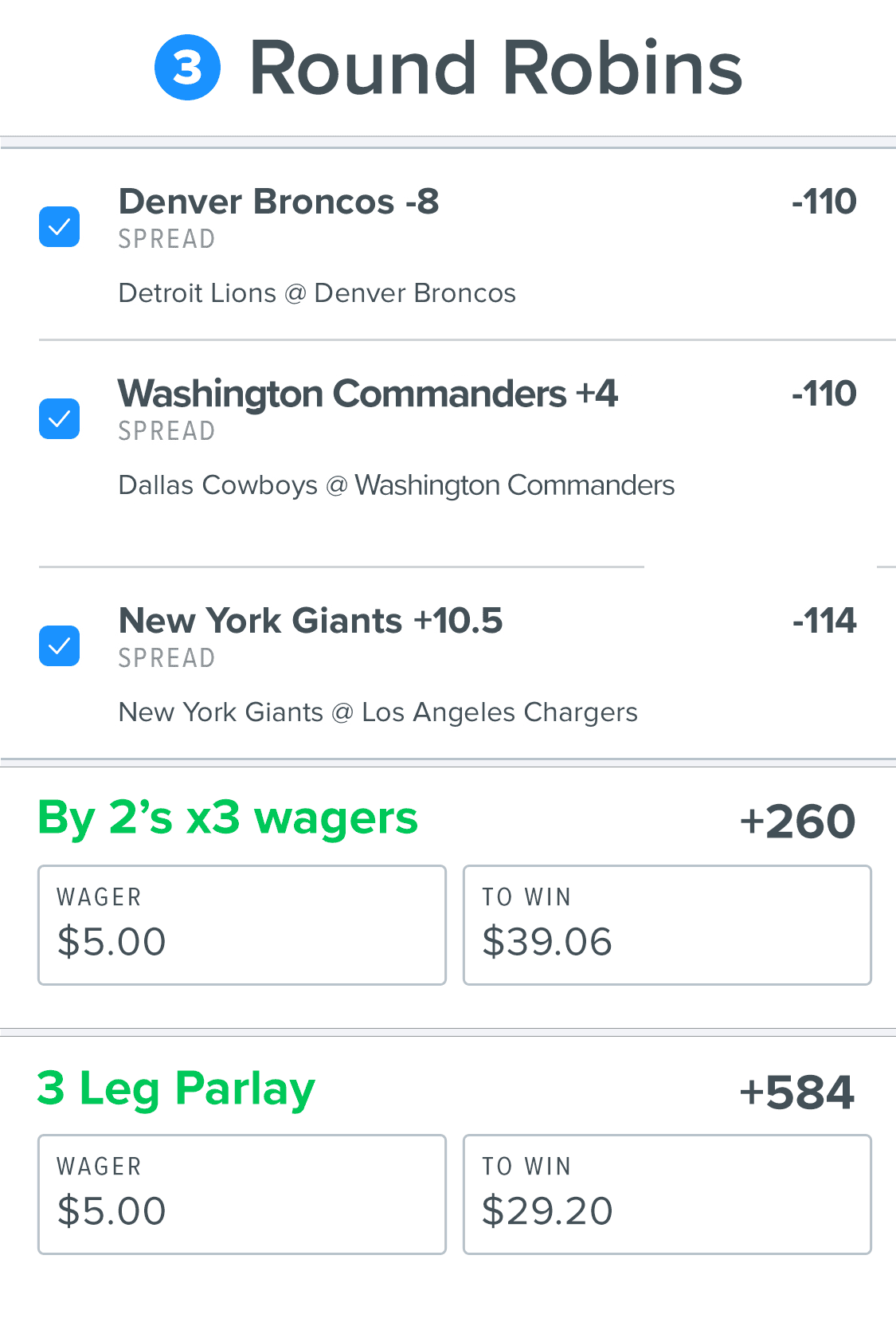
Credit : Screenshot captured by Mitchelle Morgan on 2 June 2026 – 05:42
How Sportsbooks Build a Margin into Every Market
Every line a sportsbook posts has a built-in fee known as the vig, juice, or overround. If both sides of an NFL point spread are -110, each side’s implied chance is 52.38%. And when you put them together, you get 104.76%, not 100%. That extra 4.76% is the book’s edge in a two-way market.[1]
But that edge change is not the same in all markets. It changes depending on three main things:
- How much data does the book have
- How many bets are placed
- Whether professional bettors have forced any price fixes
NFL spreads and NBA totals are the closest in size. These markets generate the most betting volume in the U.S. And this is why the bookies compete on price because they can see a line comparison on their screens.
Where Pricing Gets Wider: Props, Live Betting, and Parlays
Propositions and game bets are different. A single player stat (yards gained or strikeouts) is more random and gets fewer bets. Optimal bettors are less concerned with these stats and charge more for these props. Propositions often have a vig of 6 to 9 percent. This is always double the size of a normal spread. [2]
There are also more costly same-game parlays. A four-leg SGP may be worth +700, but by looking at how the legs interact with each other, it can be worth +900 or more. Depending on the available market data, SGPs hold 15-30% when compared to 4–5% for straight spreads. [3]
You have the math! If you have 3 legs, it is 52.38% break-even for each leg. You have the same number of legs -0.5238 x 0.5238 x 0.5238, the true win chance is 14.4%. Most parlay payouts do not adjust for this.
Why Bettors Reach for Higher-Margin Markets Anyway
Parlay wins feel different than single bets, and this is why many people enjoy them even when they are at a lower value. Take two bets costing $10 each: one is a parlay that pays +800, and the other is a spread at -110. A normal bettor will find the parlay way more attractive than the spread.
And it happens all the time. It seems like everyone thinks so. There are posts on social media touting more parlay wins than losses. These posts make them seem normal and acceptable when, in fact, they are very rare.
On the other hand, live betting has more risk. Lines tend to move fast during games, and regulated sportsbook platforms raise the fee to protect themselves. If you place a bet during a big run in the third quarter, the market probably has a higher hidden cost than the pregame number.
Market Efficiency and the Role of Sharp Action
Sharp bettors (people with models) push NFL and NBA lines toward correct prices. When a line for NFL games is off by half a point, professionals often fix it within hours. That gives casual bettors more competition to place game-level bets.
But the props for the players don’t get the same attention. Those who bet on the NFL game have over 150 props, and even the most sharp bettors can’t check all of them. Many props go unchallenged, which allows sportsbooks to keep a larger edge.
Since there is now more money in parlays and props, overall hold in sportsbooks will climb from 6–7% in 2021 to 9–11% by 2025. Parlay/SGP revenue share will also climb to 35–40%. [4]
What the Market May Actually Be Saying
Different bets come with different costs, and sportsbooks place them accordingly. A high -110 spread in the NFL or a 20%+ hold on a same-game parlay are both calculated based on the following [1], [2]:
- How many people bet
- How likely the outcome is
- What data does the book have
That isn’t to say that only one type of bet is good or bad. Successful markets don’t guarantee winners, and some parlays can be fair. But you must know the sportsbook’s margin before you judge a bet on the NFL, NBA, or MLS. The result of a game is the same. But the price you paid to bet on it can be very different.

Mitchelle is a skilled iGaming writer who is passionate about creating precise, trustworthy, and well-researched casino content. She specializes in gambling, betting, casino, and iGaming content. She has extensive experience working with leading writing agencies and gaming platforms. Her main focus is creating fact-based content across reviews, guides, and betting insights.
Comments
0 comments
No comments yet. Be the first to share your thoughts!
References
- 1.Implied Probability Calculator: Sportsbook Hold Calculator - NFEloApp. Accessed June 8, 2026
- 2.Vig in Sports Betting: How Sportsbook Juice Works, BettingUSA.com - BettingUSA, June 5, 2026. Accessed June 8, 2026
- 3.Sportsbooks vs Betting Exchanges: 4.5% Vig vs 2% (2026) - Marcus Chen, Tech-Insider, May 26, 2026. Accessed June 8, 2026
- 4.Data-Driven Analysis of Where the Market Is - Kayode Kehinde, IredellFreeNews, May 26, 2026. Accessed June 8, 2026